
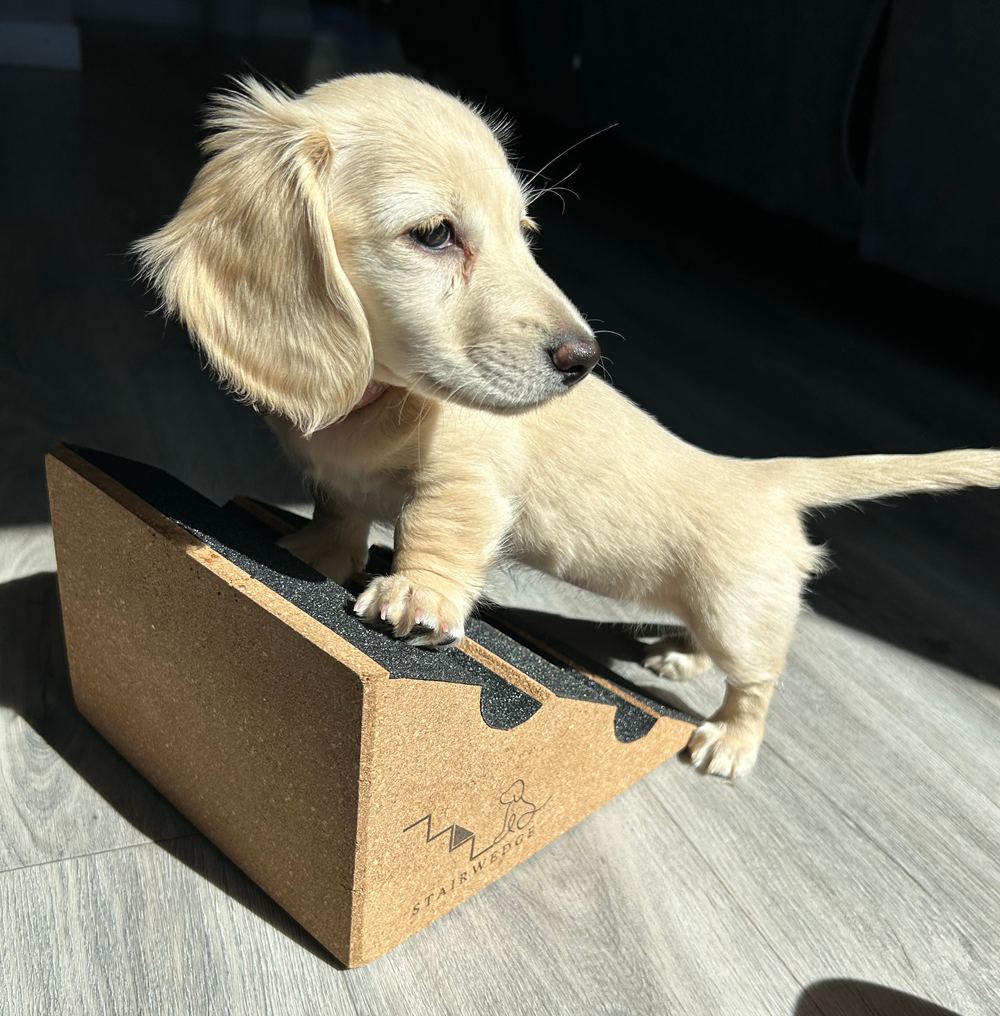
If your dog freezes at the top or bottom of a staircase, backs away, or has to be carried up and down, you're not imagining it — stair anxiety is one of the most common mobility issues pet owners deal with, especially with small breeds, seniors, and dogs recovering from injury.
What Causes Stair Anxiety in Dogs
- Slippery surfaces. Hardwood and tile stairs offer little grip, and a single slip is often all it takes for a dog to become permanently wary of that staircase.
- Joint or back pain. Breeds prone to IVDD (like Dachshunds and Corgis) or dogs with early hip/elbow dysplasia often associate stairs with discomfort long before an owner notices a limp.
- Depth perception issues. Senior dogs losing their vision may misjudge stair edges, making each step genuinely uncertain.
- A past fall. Dogs have strong associative memory — one bad tumble can create lasting avoidance.
What Doesn't Work
Carrying your dog every time avoids the immediate problem but reinforces the fear long-term and doesn't address the physical cause (usually traction). Punishment or forcing a dog up the stairs almost always makes stair anxiety worse.
What Actually Helps
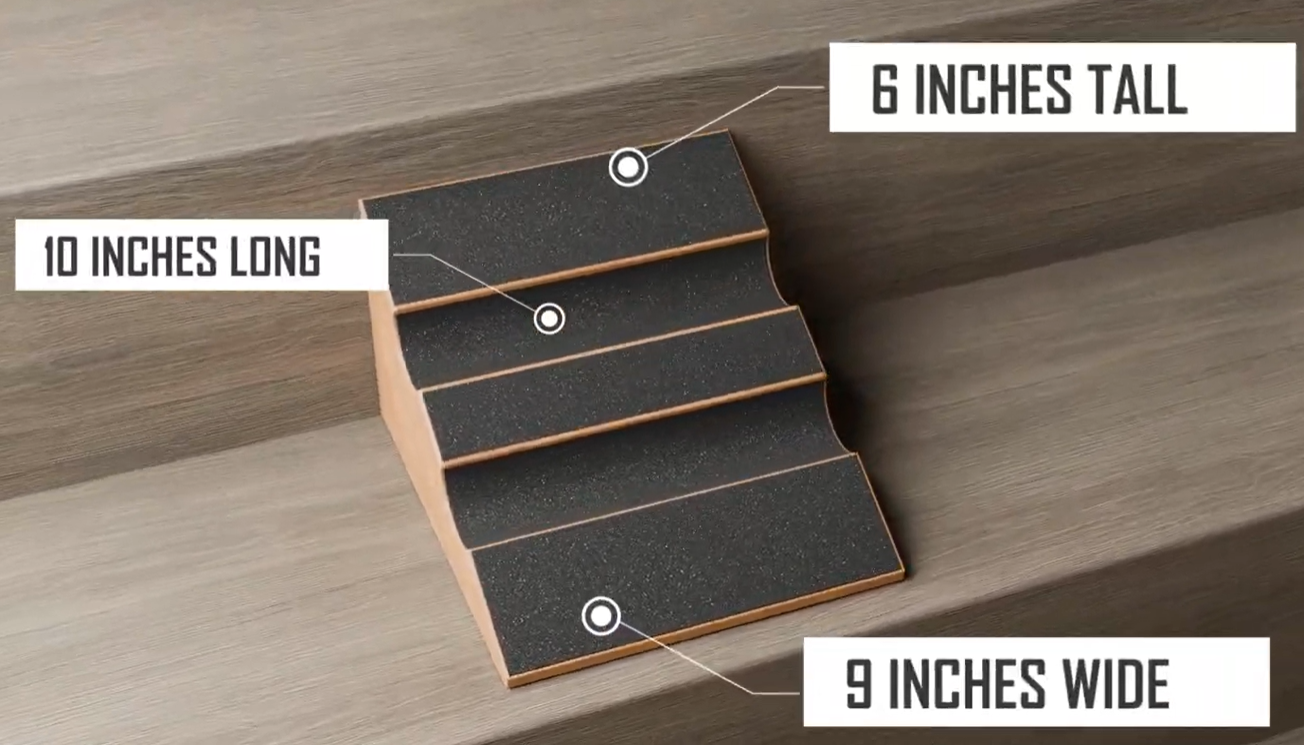
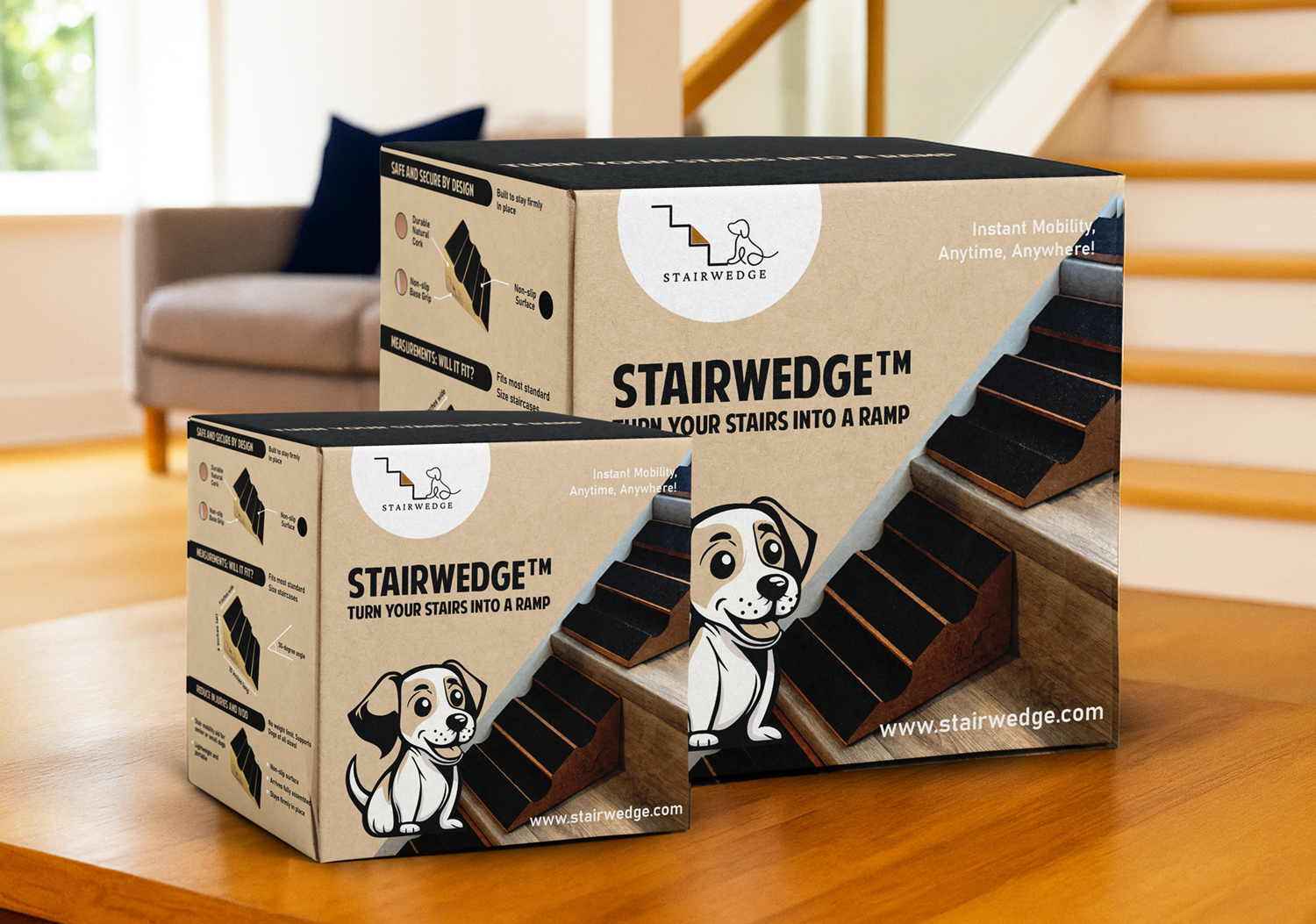
- Add non-slip traction to each step. This is the single biggest fix for slip-related anxiety, and it's why traction ramps like StairWedge exist — they sit directly on top of each stair, no installation required, and give dogs a confident, secure surface to climb.
- Go at your dog's pace. Let them approach the stairs on their own terms with treats and encouragement rather than pushing them.
- Rule out pain. If the anxiety appeared suddenly, a vet check for joint or spine issues is worth doing before assuming it's purely behavioral.
Most dogs regain full stair confidence within a couple of weeks once the traction problem is solved — the fear was rarely about the stairs themselves, just the fear of slipping on them.

Leave a comment
This site is protected by hCaptcha and the hCaptcha Privacy Policy and Terms of Service apply.